
Boundary Survey Cost When Buying Part of a Lot
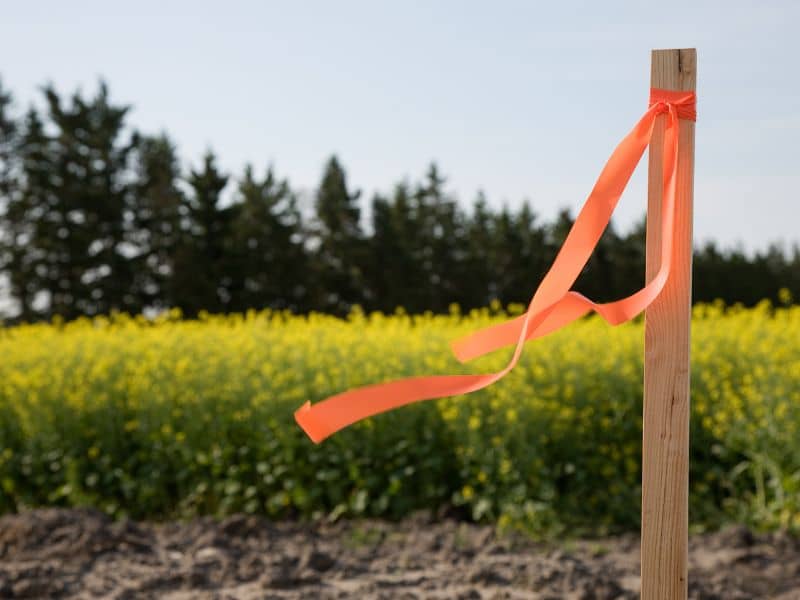
A handshake deal for the back half of a neighbor’s lot sounds simple. Then the title company asks for a legal description, the lender wants a survey, and the local planning office has its own rules about dividing land. Suddenly a small purchase has a list of survey tasks attached to it.
Buyers who plan for these steps early avoid delays and surprise invoices. The boundary survey cost for a partial lot purchase is usually higher than a standard survey of a whole lot because the surveyor has to create new lines, not just confirm old ones. Knowing what drives that cost helps you budget, compare quotes, and negotiate who pays.
Why Buying a Portion of a Lot Requires Additional Boundary Survey Work
A standard boundary survey retraces lines that already exist. The surveyor finds old corner markers, checks them against records, and shows where the property lines fall. Buying part of a lot adds a new step because one or more new lines must be created.
That new line has to be measured, described, and marked on the ground. The surveyor also needs to confirm the outer lines of the original lot, since the new parcel shares some of them. If the outer boundary has problems, those problems carry into the new parcel.
There’s often a review step, too. Many municipalities and counties require approval before land can be split, and that approval may call for a specific type of drawing. Each added task takes more field time, office time, or both, and that shows up in the price.
How New Parcel Dimensions Affect Boundary Survey Cost
The shape of the new parcel matters more than many buyers expect. A clean rectangle split along a straight line is fairly quick to lay out. An odd shape with angles, curves, or a strip for driveway access takes longer to calculate and stake.
Size can play a role, but it isn’t the only driver. A large, open parcel with clear corners may cost less than a small one crowded with fences, sheds, and trees. Terrain, brush, and access to the corners all affect how long the field crew spends on site.
The number of new corners is a useful way to think about scope. Each new corner usually needs a set monument, which is a physical marker like an iron pin. More corners mean more work and a higher survey fee.
Survey Costs Associated With Legal Descriptions and Parcel Division
A legal description is the written text that defines a parcel’s boundaries in the deed. When you buy part of a lot, the new parcel needs its own description. The remaining portion often needs a new one as well, so the seller’s deed still makes sense after the sale.
Writing these descriptions takes careful office work. The surveyor has to make sure the two new parcels fit together with no gaps or overlaps. Errors here can cause title problems that are expensive to fix later.
Parcel division rules can add more cost. Some areas allow a simple lot line adjustment, while others require a minor subdivision plat or a similar filing. Those processes may involve application fees, plan reviews, and revisions, and the requirements vary by municipality and county.
Ask These Questions Early
Before you sign a purchase agreement, contact the local planning or zoning office. Ask whether the split is allowed, what minimum lot sizes apply, and what drawing they need. That information helps your surveyor give an accurate quote.
Existing Monuments and Property Records That Influence Survey Pricing
The condition of the existing records has a big effect on cost. A recent recorded plat with good corner markers gives the surveyor a strong starting point. Old deeds with vague wording or missing measurements take more research to sort out.
Field conditions matter in the same way. If the original corner pins are still in place and match the records, the survey moves faster. If they’re missing, disturbed, or don’t match, the crew has to search further and reconcile the evidence.
Nearby parcels can also affect the work. A neighbor’s fence or shed near the new line may raise questions about encroachments, which are improvements that cross onto someone else’s land. The surveyor will need to locate and show those items, which adds time.
Boundary Survey Expenses to Consider Before Finalizing a Partial Lot Purchase
The survey fee is only one part of the budget. A partial lot purchase may also involve other costs tied to the survey work:
- Research of deeds, plats, and nearby surveys
- Setting new corner monuments
- Preparing new legal descriptions for both parcels
- Drafting a plat or exhibit for local review
- Revisions requested by the planning office
- Recording fees at the county
Ask for a written quote that lists what’s included. Some surveyors price research, field work, and plat preparation separately. Others bundle them, which makes comparing quotes harder unless you know what each one covers.
Timing matters as much as price. Approval for a land division can take weeks or longer, depending on the agency and the complexity of the split. Order the survey early if your closing date depends on it.
Frequently Asked Questions
How Much Does a Boundary Survey Cost When Buying Part of a Lot?
The price varies widely based on parcel size, shape, records, and local approval steps. A partial lot survey usually costs more than a standard boundary survey because it adds new lines, monuments, and legal descriptions. Plat preparation and review fees can raise the total further. The best way to get a reliable number is to request a written quote with your proposed parcel sketch.
Is a Boundary Survey Enough to Legally Divide an Existing Property?
Often it isn’t enough on its own. Many municipalities and counties require a formal approval process before a lot can be split. That process may call for a plat, application, or other filing beyond the survey. Check with the local planning office and a real estate attorney before you count on a survey alone.
Who Pays for the Boundary Survey When Purchasing Part of a Lot?
There’s no single rule, and it comes down to the purchase agreement. Buyers often pay because they want proof of what they’re getting. Sellers sometimes cover part of the cost, especially if the split benefits them too. Spell out who pays for the survey and any approval fees in the contract.
Does the Size of the Proposed Parcel Affect Boundary Survey Cost?
Size can affect cost, but shape, terrain, and records usually matter more. A large, open parcel with clear corners can be faster to survey than a small, crowded one. Extra corners, curves, or access strips add time. Your surveyor can explain which factors drive the price on your parcel.
Can an Existing Property Survey Reduce the Cost of a Lot Split?
A recent survey of the whole lot can help reduce research and field time. The surveyor may be able to use its corner data and findings as a starting point. The new line, new monuments, and new legal descriptions will still need to be done. Share any past survey with your surveyor when you ask for a quote.