
Choosing a Licensed Land Surveyor for a Shared Driveway
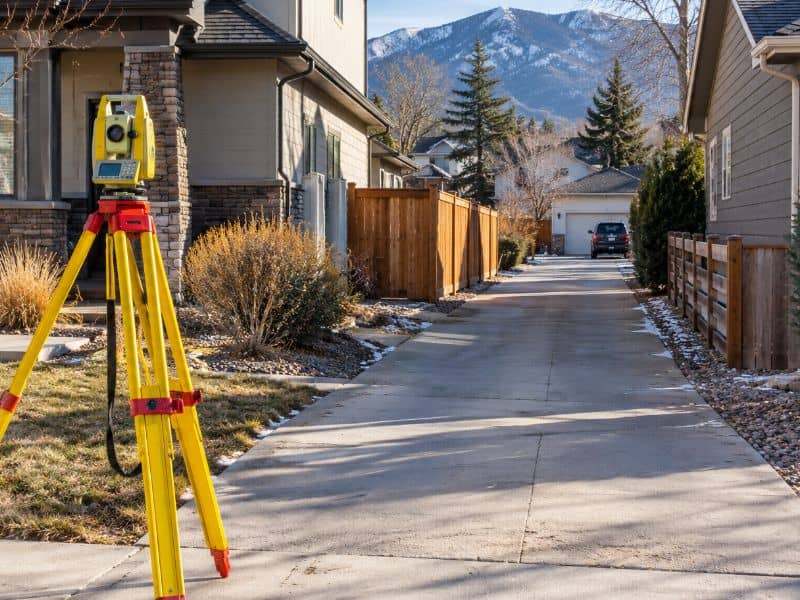
Two neighbors, one strip of pavement, and an agreement that may be decades old. Shared driveways work fine for years until someone wants to sell, repave, add a garage, or put up a fence. That’s usually when owners learn the driveway doesn’t sit where the records say it should.
A licensed land surveyor can sort out where the driveway runs, who has the right to use it, and how it lines up with each property. Choosing the right surveyor matters because shared access mixes boundary work with easement research. The main takeaway is simple: hire someone with real access easement experience and agree on the deliverables before the field work starts.
Start With the Shared Driveway and Property Records
Good survey work begins with paperwork. Before you call anyone, gather your deed, any past surveys, your title policy, and any written driveway or maintenance agreement. If you’re buying, ask the title company for the title commitment and copies of recorded documents that mention access.
These records help a surveyor understand how the driveway was created. Some shared driveways rest on a recorded easement. Others were set up by a subdivision plat, and some exist only because neighbors have used them for years without anything in writing.
Share everything you have with each surveyor you contact. A licensed land surveyor can give a more accurate quote and timeline when they know what records exist. Missing documents aren’t a deal breaker, but they may add research time to the project.
Choose a Surveyor Experienced With Access Easements
An access easement is a recorded right that lets one property owner cross another owner’s land to reach a street or parcel. Easements can be written in many ways, with different widths, locations, and terms. Some describe an exact strip of land, while others use vague wording that takes careful reading to map.
Not every surveyor handles this kind of work often. When you talk with a surveyor, ask how many shared driveway or access easement projects they’ve completed. Ask how they handle an easement description that doesn’t match the driveway on the ground.
Verify the License
Every professional land surveyor must be licensed in the state where the property sits. Most state licensing boards offer an online lookup so you can confirm the license is active. Only a licensed land surveyor can legally certify a boundary survey, so this protects both your money and the value of the final product.
Confirm Which Boundaries Affect the Shared Driveway
A shared driveway often touches more than two lots. It may cross a front parcel to reach a back lot, run along a common line, or serve several homes before reaching the street. Every boundary it crosses or follows can affect who owns what and who has access rights.
Tell your surveyor which properties use the driveway and which parcels it crosses. The scope should cover every line that matters to your question, not only your own lot. A survey limited to one parcel may miss the part of the driveway that causes the problem.
Right-of-way lines matter too. The right-of-way is the land owned or controlled by the city or county for the public street. Your survey should show where the driveway meets that line, since access permits and curb cut rules can vary by municipality.
Ask How Existing Driveway Improvements Will Be Documented
Improvements are the physical features on the ground. For a shared driveway, that includes pavement edges, curbs, gravel areas, gates, walls, fences, lighting, mailboxes, and drainage features. These details show how the driveway is really used compared with how the records describe it.
Ask the surveyor which features they’ll locate and how they’ll show them on the drawing. You’ll want to see whether the pavement stays inside the recorded easement or drifts outside it. A driveway that wanders past the easement can create an encroachment, which is a structure or use that crosses onto land without a clear right.
Drainage deserves a question as well. Shared driveways often carry runoff toward one property more than the other. If water is part of the dispute or plan, ask whether spot elevations or a topographic survey should be added to the scope.
Request Survey Deliverables That Support the Next Property Decision
Think about what you’ll do with the survey before you order it. A sale, refinance, new easement agreement, repaving job, or dispute each calls for slightly different information. Tell your surveyor your goal so the deliverables fit that decision.
Common deliverables for shared driveway work may include:
- A sealed boundary survey showing lot lines and the driveway location
- The recorded easement plotted over the existing driveway
- A legal description for a new or corrected easement
- Set or verified corner monuments on the affected lots
- A digital drawing file your attorney, engineer, or contractor can use
Lenders and title companies may have their own survey standards, and those can vary by loan type and property. If a closing depends on the survey, confirm their requirements early. The survey is also a factual record, so ask an attorney how its findings affect your rights or agreements.
Frequently Asked Questions
Do I need a survey for a shared driveway?
A survey is the most reliable way to see where the driveway sits compared with the property lines and easements. Many owners order one before selling, buying, repaving, or signing a new agreement. Lenders and title companies may also request one. Your needs depend on the property and what decision is coming next.
Can a surveyor tell me who owns the shared driveway?
A licensed land surveyor can show where the property lines fall and where the driveway sits on each parcel. The surveyor can also map recorded easements that give access rights. Questions about legal rights or disputes usually need an attorney. The survey gives both sides accurate facts to work from.
What if there’s no recorded easement for our driveway?
This happens more often than people expect. Some driveways have been used for years based only on a handshake. A survey can show exactly where the driveway runs so an attorney can draft a proper easement. Recording one now can make future sales and loans much easier.
How much does a shared driveway survey cost?
Cost depends on the number of parcels, the age and quality of the records, and the deliverables you need. Research on older easements can add time. Writing a new legal description or setting monuments may also increase the fee. Ask for a written scope and quote before work begins.
How long does a shared driveway survey take?
Simple projects may take one to three weeks from order to final drawing. Projects with several parcels, missing records, or disputed lines can take longer. Your surveyor’s workload also plays a part. Order early if a closing or construction date depends on the results.