
Land Survey Cost: What to Know Before You Hire
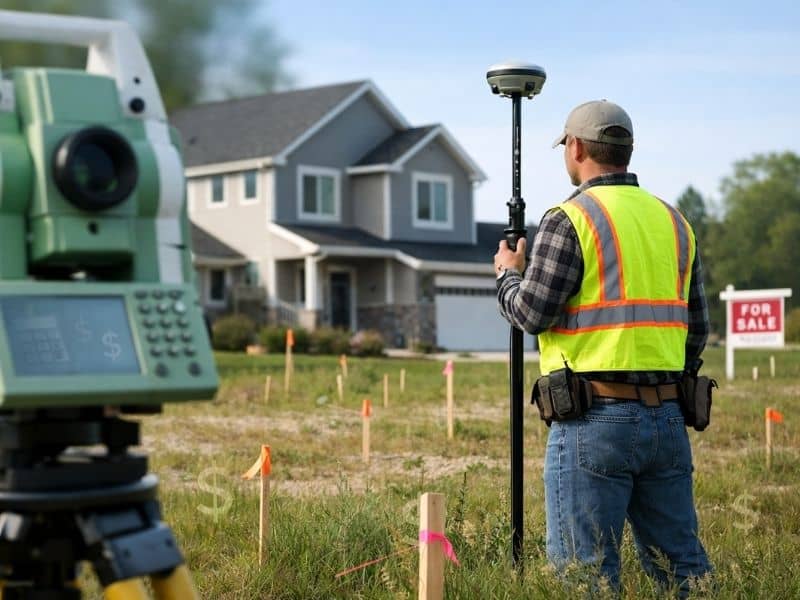
Before you call a land surveyor, it helps to know what you are walking into. Land survey cost is one of the most searched questions homeowners and buyers have, and for good reason. Prices vary quite a bit depending on what type of survey you need, and most people do not realize there is more than one kind. This article breaks down the real numbers so you know exactly what to expect.
How Much Does a Land Survey Cost?
Here is a straightforward look at average land survey costs by survey type:
- Boundary Survey: $500 to $1,500 for a standard residential lot
- Lot Survey: $400 to $700 for a recorded subdivision lot with existing pins
- Topographic Survey: $1,000 to $3,500 depending on acreage and terrain
- ALTA Survey: $2,000 to $10,000 or more for commercial properties
- Elevation Certificate: $300 to $800 for a standard residential property
- Construction Survey: $1,500 to $5,000 depending on project scope
These are general ranges. Your actual quote may be higher or lower depending on several factors specific to your property.
What Are You Actually Paying For?
A lot of people see the price of a land survey and wonder what takes so long. Here is where your money actually goes:
Research and record pulling. Before a surveyor ever sets foot on your property, they spend hours pulling deeds, plats, title records, and historical survey data. This office work is a significant part of the total time billed.
Field work. A survey crew visits the property to locate existing monuments, set new pins, and take precise measurements using GPS equipment and total stations. Depending on the size and condition of the property, this can take anywhere from a few hours to several days.
Drafting and certification. After the field work is done, the data is processed and a licensed professional land surveyor reviews, certifies, and stamps the final plat or report. That stamp carries legal weight, and it takes time to get right.
Survey Types and What Drives the Price Up
Not all surveys are priced the same, and knowing why helps you avoid surprises.
Property size. Larger parcels take more time to measure and more monuments to set. A half-acre lot costs less than a five-acre tract, even for the same type of survey.
Terrain and vegetation. Wooded, hilly, or heavily overgrown properties take longer to work through. Surveyors may need to clear sightlines, which adds labor time.
Number of existing monuments. If your property corners have never been set, or old pins have been disturbed or removed, the surveyor has to do more work to establish them. That adds to the cost.
Age and availability of records. Older properties with vague or missing deed descriptions require more research time. Rural parcels with no prior survey history are often the most expensive to work on.
Urgency. Rush orders are possible in most cases, but they come at a premium. If you have a closing deadline, contact your surveyor well in advance.
Hidden Costs People Often Overlook
There are a few things that can push your final invoice higher than the original estimate:
- Additional monuments. If more pins need to be set than initially expected, you may be billed for the extra materials and time.
- Title or deed issues. If the surveyor uncovers conflicting descriptions or gaps in the record chain, additional research time may be needed.
- Re-staking fees. If someone removes or disturbs your survey pins after the work is done, you will need to pay to have them replaced.
- Report revisions. If a lender or title company requests changes to the final document format, additional drafting time may apply.
Always ask your surveyor what scenarios could result in additional charges beyond the original quote.
Is a Cheaper Survey Worth It?
It can be tempting to go with the lowest quote you find. The problem is that a flawed survey can cost far more to fix than the money you saved upfront. Boundary disputes, incorrect building placements, and failed closings are all real consequences of inaccurate survey work.
Price should be one factor in your decision, not the only one. Ask how long the firm has been operating, whether the surveyor is licensed, and whether they carry professional liability insurance.
Frequently Asked Questions
Does the type of property affect the cost?
Yes. Commercial properties, rural parcels, and properties with unusual shapes or complex easements cost more to survey than standard residential lots in recorded subdivisions.
Do I need a new survey if one was done recently?
Not always. If the survey is less than five to ten years old and no changes have been made to the property, it may still be usable. Your title company or lender will usually tell you whether a new one is required.
Can I negotiate the price of a land survey?
You can ask, but most licensed surveyors price based on time and complexity. What you can do is reduce the scope if possible, for example by providing existing deed documents or subdivision plats upfront, which reduces the research time billed.
Is a land survey tax deductible?
In some cases, yes. If the survey is related to a business property or a real estate investment, it may qualify as a deductible expense. Consult a tax professional for advice specific to your situation.